
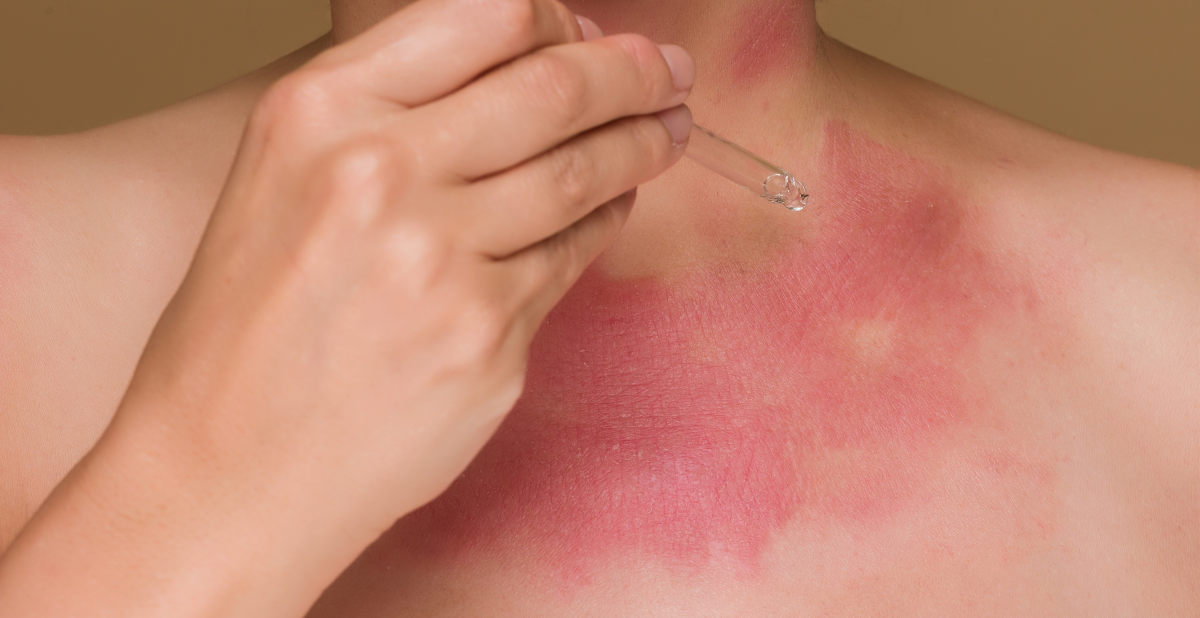
Clothing, towels and bedding remain in close contact with the skin for long periods and simple free laundry advice can help. For some people, detergent residue, added fragrance or fabric-treatment products can contribute to discomfort.
Choosing a simpler laundry routine may help families managing sensitive skin, eczema, allergies or fragrance sensitivity. However, not every rash or itch is caused by laundry detergent. Heat, sweat, fabrics, skincare products and medical conditions can produce similar symptoms.
No detergent can be guaranteed to suit everyone, and laundry advice is not a replacement for care from a GP, dermatologist or allergy specialist.
Fragrance-free and unscented can mean different things
A product labelled fragrance-free is generally formulated without added fragrance. A product described as unscented may still contain ingredients designed to mask the natural smell of its formula.
People trying to avoid fragrance should look beyond the main advertising on the package. Read the ingredient information and check the manufacturer’s current product details. Formulas can change even when the brand name and packaging look familiar.
A product with little or no noticeable smell is not automatically free from fragrance ingredients. In the same way, a strong “clean laundry” scent does not indicate that clothes are cleaner.
Be cautious with gentle-sounding claims
Terms such as “natural”, “pure”, “sensitive”, “eco”, “plant-based”, “hypoallergenic” and “dermatologically tested” do not guarantee that a product will be suitable for every person.
Natural and plant-derived ingredients can still contain potential allergens or irritants. Essential oils are also fragranced substances and should not be treated as an automatically gentle alternative to synthetic fragrance.
“Dermatologically tested” indicates that some type of skin-related testing has taken place, but the term does not mean that no user can experience a reaction.
For people with a diagnosed allergy or contact dermatitis, advice from a dermatologist or allergy specialist should take priority over marketing claims.
Choose a simple detergent
A detergent without added fragrance or dyes may be a useful starting point for a sensitive-skin household. Products with clear ingredient information make it easier to review the formula and discuss it with a healthcare professional.
Powders, liquids and capsules can all contain fragrance, preservatives, enzymes or other ingredients. The format alone does not identify a gentle product.
The detergent must also suit the machine. Front-loading equipment generally requires a low-sudsing product. Using a top-loader dose or an unsuitable cleaning product can produce excess foam and poor rinsing.
Do not replace laundry detergent with dishwashing liquid, hand soap, shampoo or household cleaner. These products are not formulated for washing machines and can cause substantial foaming.
Measure detergent accurately
Extra detergent does not produce extra-clean clothes. Too much can be difficult to rinse from fabric, particularly when the washer is overloaded.
Detergent residue may leave clothing feeling stiff, slippery or heavily fragranced. Thick towels and bedding can hold product deep within their fibres if the dose is excessive or the load is packed too tightly.
Follow the current detergent label and machine instructions. Concentrated liquids may require only a small amount, so measure the dose rather than pouring directly from the bottle.
Using too little detergent is not the answer either. An inadequate dose may fail to remove body oils and soil. The aim is to use the correct amount for the product, machine, load size and level of dirt.
Leave enough room in the washer
Laundry needs space to move through the wash and rinse water. A tightly packed drum can prevent detergent and soil from rinsing away effectively.
Gosford Laundry Lounge has 12 kg, 15 kg and 20 kg washers, allowing customers to select a machine that suits the dry weight and volume of their laundry. A larger machine can be useful for family-sized loads, towels and bedding that would be compressed in a smaller washer.
Bulky items still need to fit comfortably. Forcing a doona or thick blanket into the drum can lead to uneven washing and trapped detergent.
Consider an additional rinse
An extra rinse may help remove remaining detergent when the machine provides that option and the fabric care labels permit it.
Additional rinsing should not be treated as a cure for eczema or a substitute for accurate dosing. It also cannot correct every problem created by a severely overloaded machine.
Start by choosing a suitable detergent, measuring it correctly and leaving enough space in the drum. An extra rinse can then provide another opportunity to remove product from the fabric.
Reduce unnecessary fragranced products
Laundry detergent is not the only source of fragrance. Fabric softener, dryer sheets, scent boosters, fragranced stain treatments and some laundry sanitisers can add more ingredients to clothing and bedding.
Fabric softener is designed to leave a coating that changes the feel and scent of fabric. Some sensitive-skin households may prefer to avoid it. It can also reduce the absorbency of towels and affect the performance of certain technical fabrics.
Scent beads and fragranced dryer products are intended to create a lingering smell. They may not suit customers actively trying to minimise fragrance exposure.
Laundry sanitisers should only be used for a genuine need and according to their instructions. They are not required in every ordinary load, and they should never be mixed with other chemicals unless the labels specifically direct it.
Never combine chlorine bleach with vinegar, ammonia, acids or other cleaning products. Dangerous gases can form.
Wash new clothes and bedding before use
New clothing, sheets and towels may contain excess dye, manufacturing finishes, dust or residue from storage and handling. Washing suitable new items before prolonged skin contact can be a sensible precaution.
Check the care label first. New red, black, navy and brightly coloured garments may release dye, so wash them separately or with similar colours.
Baby clothing and bedding can also be washed using the household’s chosen fragrance-free routine before first use. There is no need to add extra detergent simply because an item is new.
Change one part of the routine at a time
If you are trying to identify a possible laundry trigger, changing the detergent, fabric softener, stain remover and skincare routine simultaneously can make the cause difficult to recognise.
Consider making one change at a time under the guidance of your healthcare professional. For example, move to one fragrance-free detergent, stop adding scent products and measure each dose carefully.
A small group of suitable garments can be washed using the new routine before changing every load in the household. Keep the packaging and note the product name in case you need to discuss it with a clinician.
Do not apply concentrated detergent directly to the skin as a home “patch test”. Formal allergy and contact-dermatitis testing should be conducted by an appropriately qualified clinician.
Handle laundry products safely
Avoid direct skin contact with concentrated detergent. If a spill occurs, follow the first-aid directions on the package. People who experience irritation while handling products may consider suitable protective gloves, provided the glove material does not create another reaction.
Keep detergent in its original labelled packaging. Never transfer it into a drink bottle, food container or unmarked jar.
Laundry capsules can look attractive to young children and may cause serious poisoning. Store them securely out of sight and reach, along with powders, liquids, stain removers and sanitisers.
For suspected poisoning in Australia, call the Poisons Information Centre on 13 11 26. Call 000 for a life-threatening emergency.
Sensitive-skin laundry at a shared laundromat
A public laundromat is a shared environment. Another customer may have used a fragranced detergent, softener or laundry additive in the machine beforehand. Small amounts of product may occasionally remain in a dispenser or around parts of the equipment.
For that reason, a shared machine should not be described as guaranteed allergen-free or fragrance-free.
Inspect the detergent compartment before starting and follow all displayed instructions. Use an additional rinse if it is available, suitable for the garments and part of your preferred routine.
Customers with severe allergies should contact the laundromat operator before using the equipment. Medical advice may also be needed to determine an appropriate process.
Using a drop-off laundry service
If you are arranging drop-off washing and drying, explain any detergent, fragrance or fabric-softener preferences before leaving the laundry.
Ask about the products and process that will be used. A request for fragrance-free handling should be discussed in advance, particularly in a shared commercial environment where complete isolation from all fragrance residue may not be possible.
When to seek medical advice
Speak with a GP, dermatologist or allergy specialist if skin irritation persists, repeatedly returns or interferes with sleep and daily activities. A clinician can assess possible causes and recommend appropriate treatment or allergy testing.
Seek urgent medical assistance for facial or throat swelling, breathing difficulty, widespread blistering or other severe symptoms. Call 000 in an emergency.
Keep the laundry routine simple
A practical sensitive-skin routine starts with a suitable fragrance-free detergent, an accurately measured dose and a washer that is not overloaded. Avoid unnecessary scent products, rinse thoroughly and follow the garment care instructions.
Individual sensitivities differ, so professional medical advice should always take priority over general laundry recommendations.
Gosford Laundry Lounge
Shop 3, 475 Pacific Highway, Wyoming NSW
Open 6:00 am–11:00 pm, seven days a week
Phone: 0420 828 089
Email: info@gosfordlaundrylounge.com.au
