
Most laundry mistakes are annoying rather than dangerous. A tissue creates a white-fluff snowstorm, a red sock turns everything pink, or a pen decorates an entire load with ink.
Other mistakes are much more serious. Batteries, fuel-contaminated clothing, sharp objects and unsuitable cleaning products can damage a washing machine or create a fire, chemical or injury risk.
A quick pocket and care-label check before pressing start can prevent an expensive—and potentially dangerous—laundry disaster.
Clothing contaminated with fuel or flammable substances
Never place clothing or fabric contaminated with flammable substances into a standard washing machine or tumble dryer. This includes items exposed to:
- Petrol or diesel
- Kerosene
- Paint thinner
- Solvents
- Flammable cleaning products
- Fuel and mechanical fluids
- Large amounts of cooking or massage oil
A normal wash may not completely remove flammable or oily residue. Moving the item into a heated tumble dryer can then create a serious fire risk. Adding extra detergent or selecting a hotter cycle does not guarantee that contaminated fabric will become safe.
Tradies, mechanics, hospitality workers and commercial customers should seek specialist advice about contaminated workwear. Contact Gosford Laundry Lounge before bringing in items that may contain fuel, chemicals or substantial amounts of oil.
Batteries, electronics and vaping devices
Phones and electronic car keys may not survive a wash, but damaged lithium-ion batteries can create a problem beyond the loss of the device.
Keep these items out of washers and dryers:
- Mobile phones
- Wireless earbuds
- Smart watches
- Power banks
- Battery-operated toys
- Electronic keys
- Loose batteries
- Disposable or rechargeable vaping devices
A battery damaged by water or physical impact may overheat, ignite or release hazardous material. Never transfer an accidentally washed electronic device or battery into a dryer.
If one enters a commercial machine, alert the laundromat operator immediately. Avoid unnecessarily handling any battery that is hot, swollen, leaking, hissing or damaged.
Sharp or heavy objects hiding in pockets
Coins are among the most common items left in pockets, but screws, nails and tools are more concerning. Loose metal objects can damage the drum, seals, glass and drainage components. Sharp objects can also injure the person unloading the machine.
Check pockets for:
- Coins and keys
- Screws and nails
- Drill bits
- Pocket knives
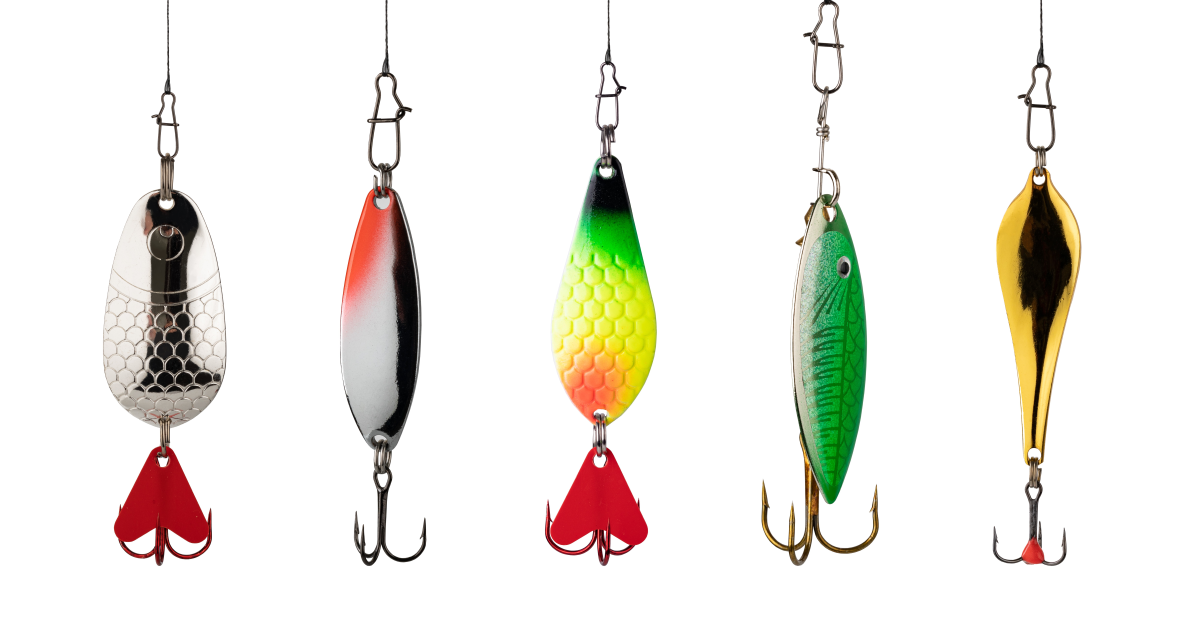
- Fishing hooks
- Tools and metal parts
- Hair clips and loose fasteners
A washing machine is excellent at cleaning clothes. It is much less successful as a toolbox, tackle box or coin tumbler.
Pens, lipstick and crayons
One pen can autograph every shirt, towel and sock in the machine.
Ink from pens and markers can spread through a load and mark the drum. Lipstick and crayons contain waxes, oils and pigments that can transfer onto other fabrics. Dryer heat may make the resulting stains harder to remove.
Check school uniforms, office clothing, handbags and children’s pockets carefully. If a pen, crayon or lipstick leaks during a wash, inspect the entire load and machine before using a dryer.
Tissues, receipts, wipes and nappies
A tissue hidden in a pocket usually creates more mess than danger. It breaks into hundreds of pieces that cling particularly well to dark clothing.
Other disposable products can cause a much larger problem:
- Paper towels
- Shopping receipts
- Disposable cleaning wipes
- Wet wipes
- Disposable nappies
- Incontinence products
Wet wipes may remain intact and contribute to drainage problems. Disposable nappies can absorb a large amount of water, swell, split and spread gel-like material throughout the load.
These products belong in the bin, not in a washing machine.
Items covered in mud, sand or debris
A washing machine should not be the first cleaning stage for something covered in mud, beach sand, grass, stones or leaves.
Before washing:
- Shake sand from beach towels and swimwear.
- Allow heavy mud to dry, then brush it off.
- Empty dirt from pockets and turn-ups.
- Remove grass, leaves and small stones.
- Scrape excess material from washable workwear.
Large amounts of sand and soil can collect inside a machine and affect its drainage. This is especially relevant to beach visitors, gardeners, tradies and families washing sports uniforms on the Central Coast.
Pet bedding covered in fur or waste
Gosford Laundry Lounge provides a pet wear washing and drying option, but pet items still need to be prepared before they enter a machine.
Remove loose fur, soil, food, leaves and other debris. Inspect beds for torn seams, damaged zips, exposed foam and loose stuffing.
Do not place bedding containing animal waste into a standard self-service washer. Heavily contaminated items may require specialist handling or disposal. Use the designated pet-wear equipment and follow all displayed instructions.
The blanket may be ready for a wash, but the dog, cat or guinea pig definitely is not.
Foam and damaged filled items
Memory foam pillows, foam pet beds and some padded cushions can split apart when saturated and agitated. Loose foam or filling may then block the machine.
Take extra care with:
- Memory foam
- Bean-filled products
- Damaged soft toys
- Torn cushions
- Pet beds with exposed filling
- Items with weakened seams
Read the care label. If machine washing is not approved, use the manufacturer’s recommended cleaning method.
Oversized or extremely heavy items
An item fitting through the washer door does not mean it is safe to wash. Fabric becomes considerably heavier after absorbing water, and bulky items need space to move inside the drum.
Items requiring careful assessment include:
- Very large doonas
- Weighted blankets
- Mattress toppers
- Heavy curtains
- Horse rugs
- Thick mats
- Oversized pet beds
Weighted blankets are particularly important to check. Their care labels may specify both a cleaning method and a maximum machine capacity.
Gosford Laundry Lounge has 12 kg, 15 kg and 20 kg washing machines, but capacity alone does not confirm that an item is suitable. Contact the team before bringing in anything unusually large, heavy or rigid.
Rubber-backed and waterproof items
Rubber-backed bathmats and similar products can deteriorate during washing, particularly when the rubber is already cracked or perished. Loose pieces may damage or block the machine.
Waterproof and water-resistant products can also trap water and unbalance a load. Take care with:
- Rubber-backed bathmats
- Waterproof mattress protectors
- Rainwear
- Nappy covers
- Waterproof jackets
- Coated outdoor fabrics
Check the care label and machine instructions first. Technical waterproof garments may require a specialised detergent and wash cycle to protect their coating.
Shoes, bras and embellished clothing
These items are not always prohibited, but they require extra care.
Fabric shoes may be machine-washable if approved by the manufacturer. Leather, suede and structurally delicate footwear generally require another cleaning method. Remove mud, stones and loose debris before washing approved shoes.
Bras and garments with hooks should be fastened and placed in a mesh laundry bag. A damaged underwire can escape and harm the garment or machine.
Sequins, beads and other embellishments can detach during a cycle. Delicate or heavily decorated clothing may be safer when handwashed or professionally cleaned.
Dry-clean-only clothing
“Dry clean only” is not a suggestion to try the gentle cycle and hope for the best.
Water and agitation can shrink, distort or discolour some fabrics. Structured jackets, formalwear, silk garments and some wool products may require professional dry cleaning.
Always read the care label before putting an unfamiliar item into a washer or dryer.
Too much detergent—and the wrong soap
Detergent belongs in a washing machine, but excessive detergent does not produce cleaner clothes. It can create too many suds, reduce washing performance and leave residue on fabric.
Never substitute:
- Dishwashing liquid
- Hand soap
- Shampoo
- Body wash
- General household cleaner
These products may create excessive foam and are not formulated for washing machines. Follow the detergent dose and the instructions displayed on the equipment.
The classic funny laundry mistakes
Almost everyone eventually encounters at least one of these:
- The tissue blizzard: One tissue covers an entire dark load in white fluff.
- The red-sock makeover: Every white item emerges in a new shade of pink.
- The travelling pen: One pen signs every garment in the drum.
- The lipstick surprise: It survives the wash, enters the dryer and leaves its mark.
- The freshly washed phone: Very clean, no longer useful.
- The missing sock: Its partner waits indefinitely for a reunion.
These stories are funny after the clean-up. A pocket check is still easier.
A quick check before every wash
Before starting the machine:
- Empty every pocket.
- Remove tissues, receipts, pens and lip products.
- Check for batteries, electronics and vaping devices.
- Remove coins, keys, screws and sharp objects.
- Read each item’s care label.
- Look for fuel, oil or chemical contamination.
- Shake away sand, mud and pet hair.
- Secure zips and hooks.
- Inspect bulky items and damaged seams.
- Make sure the load fits comfortably.
If smoke, fire, a strong chemical smell or immediate danger develops, move away and call 000. Do not force open a locked door or reach inside moving equipment.
Ask before washing an unusual item
If you are uncertain about an oversized, heavily soiled or unusual item, contact Gosford Laundry Lounge before placing it into a machine.
Address: Shop 3, 475 Pacific Highway, Wyoming NSW
Opening hours: 6:00 am–11:00 pm, seven days a week
Phone: 0420 828 089
Email: info@gosfordlaundrylounge.com.au
