
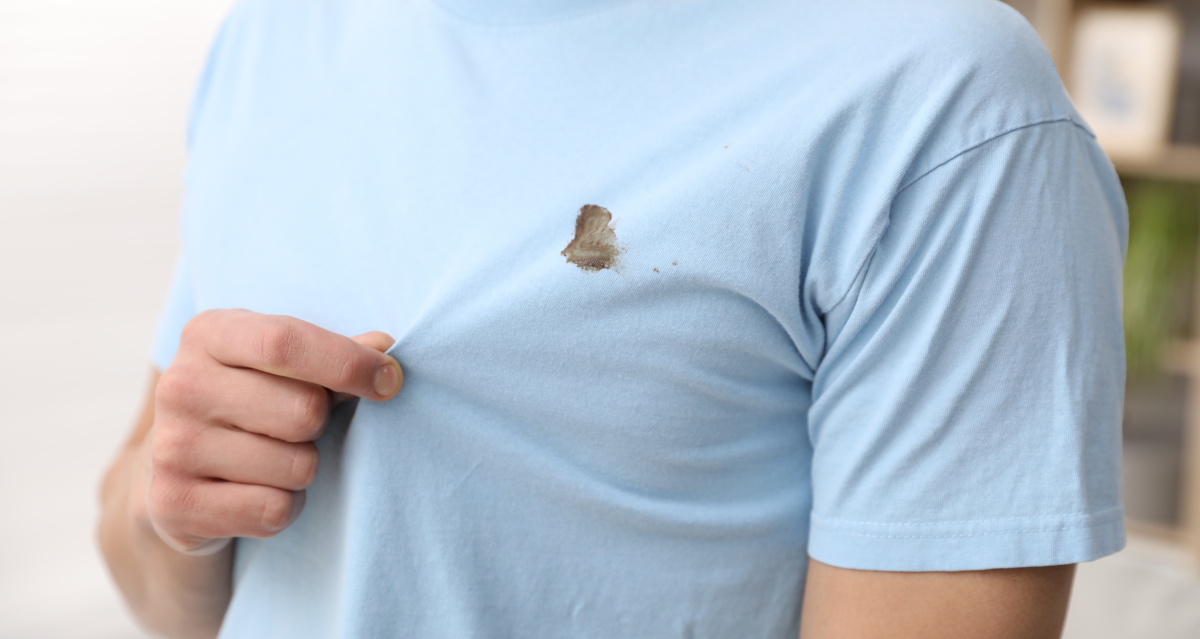
Sed Good laundry results begin before the washing machine starts as you need to prepare in order to Wash Clothes Properly. Sorting clothes, reading care labels and treating stains can prevent colour transfer, shrinking, residue and permanent marks.
The hottest water, longest cycle and largest dose of detergent do not automatically produce the cleanest clothes. A better approach is to match the wash to the fabric, colour and type of soil involved.
Read the care label first
A garment’s care label tells you how it should be washed and dried. It may show a maximum wash temperature, suitable cycle, bleaching restrictions and tumble-drying instructions. Some items may require handwashing, professional dry cleaning or flat drying.
The temperature shown on a care label is generally a maximum, not a requirement to wash at that temperature every time. Choosing a cooler wash may help protect colours and reduce energy use, provided it is suitable for the fabric, detergent and soil level.
Handle an item conservatively if its label is missing or unreadable. This is especially important for wool, silk, elastic, waterproof coatings and clothing with beads, prints or other decorations.
Sort laundry by colour
Separating whites from dark clothes is a good start, but effective sorting goes further.
White and very pale items can be washed together when their care instructions are compatible. Bright colours may need a separate load, particularly when they are new. Dark blue, black and red garments can release dye during their first few washes, so washing them with pale clothing creates an obvious risk.
Colour-catcher products may help collect some loose dye, but they do not guarantee protection against colour transfer. Sorting remains the safer approach.
Turning dark and printed clothing inside out may help reduce visible friction and fading. It does not prevent all dye loss, so the care label and detergent instructions still apply.
Separate heavy and delicate fabrics
Heavy towels, jeans and workwear can rub against lightweight shirts, underwear and delicate garments. This can cause unnecessary wear and may prevent items from washing or drying evenly.
Towels and fleece can also release lint. Dark synthetic clothing tends to attract it, creating the familiar result of a clean black shirt covered in pale fluff. Separating lint-producing fabrics from lint collectors can save a great deal of picking and brushing later.
Heavily soiled workwear, muddy sports uniforms and pet bedding should not automatically be mixed with lightly worn clothes. Brush away dried mud and remove sand, fur, leaves and other loose debris before placing the items in a machine.
Prepare clothes before washing
Empty every pocket. Tissues and receipts create a mess, while pens, batteries, vaping devices, screws and sharp objects can cause far more serious problems.
Check for loose seams, damaged zips and exposed bra underwires. Fasten hooks and place small or delicate garments in a mesh laundry bag. Close zips when the garment instructions recommend it, but leave buttons relaxed if fastening them could strain the stitching.
Unroll sleeves and trouser legs so water and detergent can reach the fabric properly. A washing machine can clean a garment, but it cannot clean the inside of a tightly bundled sleeve particularly well.
Cold, warm or hot water?
The correct temperature depends on the fabric, colour, stain and care instructions.
Cold water
Cold water is often suitable for dark colours, bright clothing and lightly soiled everyday laundry. It may help reduce colour loss and shrinkage while using less energy than a heated wash.
Select a detergent designed to perform in cold water. Cold washing can be effective for many regular loads, but it is not automatically ideal for every type of oil, stain or specialised hygiene requirement.
Warm water
Warm water can provide a practical balance for ordinary household laundry. It may assist with body oils and general soil while being gentler on many fabrics than a hot cycle.
Elastic, synthetic and colour-sensitive garments can still be affected by heat. Check the label rather than assuming that warm water is safe for every mixed load.
Hot water
A hotter wash may suit selected colourfast towels, bedding and heavily soiled items when their labels permit it. It can also shrink fabrics, fade colours, weaken elastic and set some stains.
Commercial healthcare and infection-control laundry may require validated combinations of temperature, chemicals, cycle time and handling procedures. A standard hot wash should not be described as guaranteed disinfection.
Match the treatment to the stain
Different stains respond to different methods. Selecting hot water simply because a stain looks difficult can make the problem worse.
Protein-based stains, including blood, egg and some dairy products, should generally be started with cool water. Heat can set protein into the fibres, making the mark harder to remove.
Grease may respond to a suitable pre-treatment followed by warmer water if the care label permits it. Thick mud is often easier to manage after it dries and the loose material can be brushed away.
Before applying any stain remover, check that it is suitable for the fabric and colour. Test it on a hidden area, especially when treating a delicate or brightly dyed garment.
A reliable stain-treatment method
Act quickly, but do not panic and start scrubbing. Aggressive rubbing can spread a stain, push it deeper into the fabric or damage the fibres.
Begin by removing excess solid material with a blunt edge. Blot liquid using a clean, colourfast cloth, working from the outside of the mark towards the centre. Apply a stain treatment suitable for the fabric and follow its contact-time instructions.
Wash the item according to its care label, then inspect it before drying. Tumble-dryer heat can make a remaining stain much harder to remove. If the mark is still present, repeat a fabric-safe treatment rather than putting the garment straight into a hot dryer.
Treating common laundry stains
Blood: Rinse fresh blood with cool water. Apply a suitable treatment and keep the item away from hot water until the mark has been removed.
Cooking oil and grease: Blot excess oil without spreading it. Use an approved pre-treatment and wash at the warmest temperature permitted by the label. Fabric saturated with large amounts of oil must not enter a tumble dryer.
Coffee and tea: Blot promptly and rinse according to the fabric instructions. Treat the remaining mark before it has time to dry.
Mud: Let thick mud dry, then brush away as much loose soil as possible. Treat the remaining stain and wash it separately from lightly soiled clothing.
Grass: Apply a suitable stain remover after testing it on a hidden area. Grass contains pigments that can be difficult to remove once dried or exposed to dryer heat.
Makeup: Lift away excess product instead of rubbing it across the fabric. Oil-based foundation, lipstick and powder cosmetics may require different treatments.
Red wine: Blot promptly with a clean cloth. Avoid rubbing or applying an untested home remedy that could spread the stain or affect the fabric dye.
Use stain removers safely
Stain removers, oxygen-based products and chlorine bleach are not interchangeable. Chlorine bleach can remove colour and damage wool, silk, elastic and some synthetic materials.
Never combine bleach with vinegar, ammonia, acids or other cleaning products. Dangerous gases can form. Follow the product label, provide good ventilation and store every chemical in its original container away from children and pets.
Do not use several stain removers at once in the hope that one will work. Mixing products may damage the fabric or create a hazardous reaction.
Choose the right detergent and cycle
Use detergent formulated for the machine type. Front-loading equipment generally requires a low-sudsing product, while detergent labels may provide different doses for front and top loaders.
Delicate garments, wool and technical outdoor clothing may require specialised detergent. Regular laundry powder or liquid is not suitable for every fabric.
Select the cycle based on the load. Robust everyday clothes may suit a normal wash, while delicate items can need gentler movement and a lower spin speed. Heavily soiled laundry may benefit from safe pre-treatment and a suitable cycle rather than an excessive amount of detergent.
Measure the dose instead of guessing. Too much detergent can create residue, affect rinsing and leave clothing feeling stiff or slippery.
Do not overload the washer
Clothing needs room to move through the water and detergent. Packing the drum tightly can reduce cleaning and rinsing performance. One large, heavy item may also cause an unbalanced load.
Gosford Laundry Lounge has washers in 12 kg, 15 kg and 20 kg capacities. Choose a machine based on the dry load’s weight and volume. Bulky bedding must fit comfortably rather than being forced into the drum.
An item fitting through the door does not prove that it is suitable for the machine. Check the care label and ask for guidance before washing unusually heavy or rigid items.
Dry clothes with care
Remove laundry promptly after the cycle to reduce creasing and stale odours. Check every care label before tumble drying, as some garments require line drying, flat drying or a low temperature.
Heavy towels and lightweight clothing may dry more evenly in separate loads. High heat can damage elastic, prints, delicate fabric and waterproof coatings.
Most importantly, inspect previously stained items before they enter the dryer. Once heat sets a mark, removing it can become far more difficult.
A better laundry routine
Proper washing is not about using the most aggressive settings. Sort clothes thoughtfully, read the care labels, treat stains promptly, measure detergent and select the coolest effective temperature. Give the laundry enough space to move and check it before drying.
For self-service washing and drying near Gosford, visit Gosford Laundry Lounge.
Address: Shop 3, 475 Pacific Highway, Wyoming NSW
Opening hours: 6:00 am–11:00 pm, seven days a week
Phone: 0420 828 089
Email: info@gosfordlaundrylounge.com.au
