
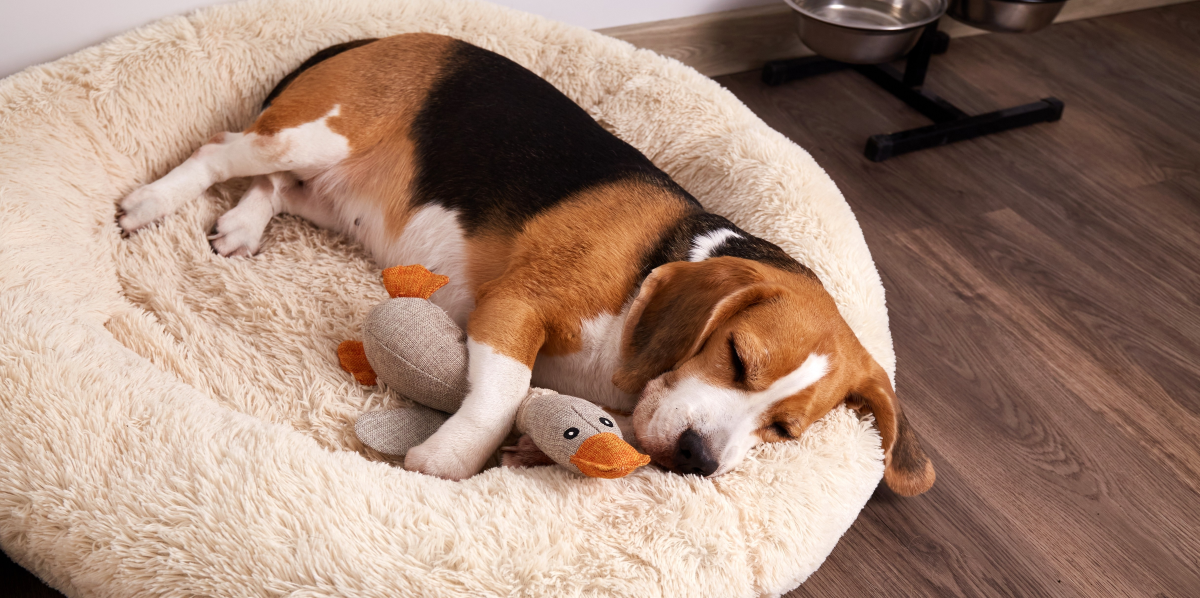
SeDog blankets, cat beds and washable pet covers collect much more than fur. Over time, they can hold skin flakes, saliva, outdoor dirt, food, moisture and the unmistakable smell of a much-loved pet and you need to Wash Pet Bedding
Regular washing helps keep bedding fresh and comfortable, but pet items need preparation before they go into a machine. Removing fur, checking the filling and choosing an appropriate cycle can protect both the bedding and the laundry equipment.
Pet bedding linked to parasites, contagious illness or heavy biological contamination requires extra care and may need veterinary advice.
Check the care label and condition
Begin with the manufacturer’s care instructions. Many pet beds have a removable cover that can be machine-washed, but the foam or internal cushion may need to be cleaned by hand. Other beds may be washable as a complete unit.
Inspect the item before washing. Look for torn seams, broken zips, exposed foam and loose filling. A small tear can become much larger as the bed absorbs water and moves around the drum. Escaped foam or stuffing may also block or damage the machine.
Memory foam should not be machine-washed unless the manufacturer specifically approves it. Saturated foam can become extremely heavy, split into pieces and take a long time to dry. The same caution applies to rigid beds, bean-filled products and cushions containing loose material.
If the label is missing, use a conservative cleaning method or contact the manufacturer.
Remove as much pet hair as possible
A washing machine should not be expected to remove an entire coat’s worth of fur. Large quantities of hair can collect inside the drum, attach to other laundry and contribute to drainage problems.
Shake blankets outdoors before leaving home. A vacuum cleaner, pet-hair brush or lint roller can help remove embedded fur. For stubborn hair, gently brushing the fabric in one direction may help gather it into removable clumps.
Also remove dried mud, leaves, grass, food and other loose debris. Beach-loving dogs may bring home a surprising amount of sand, so shake sandy blankets and towels thoroughly before washing.
The aim is to wash the dog blanket—not recreate the dog inside the machine.
Handle urine, vomit and waste carefully
For an ordinary urine mark, blot as much liquid as possible using disposable absorbent material. Avoid aggressive rubbing, which can push the liquid further into the filling.
Remove all solid waste before washing. Do not place bedding containing faeces, vomit, blood or other substantial biological material directly into a public washing machine.
Heavily contaminated bedding may need specialist cleaning or disposal. If the pet has diarrhoea, parasites, ringworm or another contagious condition, ask a veterinarian how to handle the bedding. Contact Gosford Laundry Lounge before bringing in any item that may present a hygiene or infection risk.
The designated pet equipment is intended for suitable washable pet wear and bedding. It does not mean that every contaminated animal item can safely enter a public machine.
Treat stains and odours before washing
After removing loose material, use a stain treatment suitable for the bedding’s fabric. Check the product instructions and test it on a hidden area first, particularly if the cover is brightly coloured or waterproof.
An enzyme-based laundry treatment may help with some organic pet stains when it is approved for the material and machine. Follow its application and contact-time directions rather than adding an unmeasured amount.
Strong perfume may temporarily cover an odour without removing the source. Effective cleaning requires the correct detergent, enough movement in the drum and thorough rinsing.
Avoid improvised chemical combinations. Never mix chlorine bleach with vinegar, ammonia, acids or other cleaning products, as dangerous gases can form. Use every product exactly as directed and keep it in its original labelled container.
Choose an appropriate detergent
A mild, low-sudsing detergent may suit many machine-washable pet blankets and covers. The detergent must also be compatible with the washing machine.
Fragrance-free and dye-free products may be preferable for pets with sensitive skin, but no detergent can be guaranteed to suit every animal. Marketing terms such as “natural” and “pet-friendly” should not replace checking the ingredients and instructions.
Use the recommended dose. Excess detergent can be difficult to rinse from thick bedding and may leave residue against the pet’s skin. Adding more liquid or powder will not necessarily remove stronger odours.
Pets with allergies, recurring rashes or other skin conditions may need a detergent recommended by their veterinarian. Fabric softener should only be used when it is permitted by the bedding label and suitable for the animal.
Select the wash temperature and cycle
Use the warmest water permitted by the item’s care label and suitable for its materials. There is no single temperature that is ideal for every dog blanket or pet bed.
Hot water can shrink covers, fade colours, weaken stitching and damage waterproof or rubber backing. Cooler water may be required for synthetic filling, delicate fabric and coated materials.
Select a cycle that provides effective cleaning without being too aggressive for the item. A durable cotton blanket may tolerate a normal cycle, while a padded or delicate cover may require gentler movement.
If the purpose of the wash is parasite or infection control, follow current veterinary instructions. A routine hot cycle should not be treated as guaranteed sterilisation or disinfection.
Choose the right machine size
Pet bedding becomes much heavier after absorbing water. It also needs enough space to move inside the drum so detergent and rinse water can reach the entire item.
Gosford Laundry Lounge has 12 kg, 15 kg and 20 kg washers. This range gives pet owners options for different load sizes, but machine capacity is not the only consideration. The bed’s shape, construction and dry volume also matter.
Do not force a pet bed or tightly folded blanket into the drum. If it cannot move freely, it may wash poorly, retain detergent or unbalance the machine.
Contact the team before attempting to wash an unusually large pet bed, thick rubber-backed mat or horse rug. Some items may not be suitable even if they fit through the door.
Use the designated pet equipment
Gosford Laundry Lounge provides a designated pet wear washing and drying option. Use this equipment for suitable dog blankets, pet covers and washable pet wear rather than placing these items in machines intended for general clothing.
Follow all instructions displayed on the equipment. Remove loose hair or debris left around the machine and folding area so the facilities are ready for the next customer.
Pet bedding should generally be kept separate from clothing, tea towels and household linen. Use clean bags to carry the washed items home rather than returning them to a container holding fur and dirty laundry.
Dry pet bedding completely
Check the care label before transferring any item to a tumble dryer. High heat may damage waterproof coatings, rubber backing, foam, elastic and synthetic filling.
If tumble drying is approved, choose a suitable temperature and give the bedding enough room to move. Large blankets can fold over themselves and trap damp sections, so they may need to be repositioned during drying if the machine instructions permit it.
Air-dried bedding should be placed in a well-ventilated location and turned so every section can dry. Do not return a damp bed to the pet. Moisture trapped inside thick fabric or filling can lead to unpleasant odours and mould growth.
Check the seams and filling after drying. Do not give the bed back to the animal if it has developed loose threads, exposed foam or other parts that could be chewed or swallowed.
Pet bedding and flea control
Washing bedding can form one part of a flea-control plan, but laundry alone may not resolve an infestation. Fleas and their developing stages may also be present on the pet and in carpets, furniture, vehicles and resting areas.
Ask a veterinarian about treating the animal and its environment. Follow the treatment schedule carefully, as repeated steps may be needed. Do not apply household insecticides, flea products or veterinary treatments to bedding unless their labels specifically approve that use.
Avoid relying on one wash temperature as a complete flea treatment. The bedding material, wash process, drying method and broader control plan all play a part.
Ringworm and other contagious conditions
Ringworm is a fungal infection that can spread through contaminated hair, skin flakes, grooming tools and bedding. Other infections and parasites can also spread through shared surfaces.
Contact a veterinarian before transporting potentially infectious bedding to a public laundromat. The item may require a specific cleaning and disinfection procedure, secure handling or disposal. Bringing it into a shared facility without guidance could expose other customers, animals and equipment.
A simple pet-bedding routine
Before visiting the laundromat, check the care label and inspect the item for damage. Remove fur, sand, mud and solid waste, then assess any staining or contamination. Apply only a suitable treatment and use the designated pet equipment.
Choose a machine that gives the item room to move, measure the detergent carefully and dry the bedding completely. If the item is unusually large, heavily contaminated or connected to an animal illness, contact the laundromat and your veterinarian first.
Pet wear washing near Gosford
Gosford Laundry Lounge provides a convenient pet wear washing and drying option for customers around Wyoming, Gosford and the wider Central Coast.
Address: Shop 3, 475 Pacific Highway, Wyoming NSW
Opening hours: 6:00 am–11:00 pm, seven days a week
Phone: 0420 828 089
Email: info@gosfordlaundrylounge.com.au
Please call before bringing in oversized, heavily soiled or potentially infectious pet items.
